Every release below announces something that is live on this site right now, and every release links to the thing itself. No embargo theatre, no vague momentum claims. If we say it shipped, you can click it.
Extraordinary partners with Happy Life Labs on physician and wellness platforms
Physician practices get a free Ordinary Scan of their website, then a 30-day build with an online revenue portal: Physician and Wellness Platforms powered by Extraordinary.
Extraordinary today announced a partnership with Happy Life Labs focused on physician practices. Extraordinary builds the practice website, the booking path and the online revenue portal; Happy Life Labs supplies the services that portal sells, so a practice has something to offer online from the day it launches.
The front door is the same free Ordinary Scan that runs on the Extraordinary homepage, read through eight practice areas: new patient acquisition, booking and intake, services and conditions, insurance and cost, reputation, patient education, integrations, and the revenue portal. The score and the full fix list belong to the practice whether or not it ever hires Extraordinary.
Extraordinary publishes its own funnel as a live public scoreboard
The Attention Dashboard shows where attention comes from, how it converts, and how every audited website scores. Aggregate numbers only, updated live.
Extraordinary today published the Attention Dashboard, a public scoreboard that aggregates every 100-point Website OS audit ever run, step-by-step funnel conversion counts, and the attention sources behind them. No client names, domains, or per-row data are exposed; the dashboard serves anonymous aggregates through a read-only database function.
The move extends a house rule: the same measurement Extraordinary installs for clients runs on Extraordinary itself, in public, including the unflattering numbers.
Attention Encyclopedia grows to 276 entries, with a public suggestion box
Six fields per entry: what it is, why it matters, an example, the failure mode, the engine it belongs to, and the first move. Anyone can propose the next term.
The Extraordinary Attention Encyclopedia now carries 276 entries covering attention, influence, and growth, each written to a fixed six-field format and cross-linked to the 434-term Dictionary of Attention, Influence and Growth.
A public suggestion page lets readers propose missing terms; submissions are reviewed by the editorial team before publication. The encyclopedia feeds a free flashcard and quiz tool at /learn, with progress kept on the reader's own device.
Extraordinary opens its marketing books with the Attention Engine page
Six campaigns, real budgets in dollars and human hours, dated analytics snapshot, and the operating rules behind them. $0 of it is paid media.
Extraordinary today published the Attention Engine, a page documenting the six campaigns it runs across its own Attention OS layers, including channels, assets, real-money and human-hour budgets, and a dated first-party analytics snapshot.
The snapshot covers 3 August to 2 September 2026: 1,528 visitors, 2,321 pageviews, 1.52 pages per visit, and zero dollars of paid media spend against 68 hours of monthly effort. Extraordinary says it publishes the numbers because clients deserve to see the machine running on its maker first.
Extraordinary publishes a 434-term Dictionary of Attention, Influence and Growth
Twenty sections, every term defined in plain language, ungated, no email wall, with structured data so answer engines can quote it accurately.
Extraordinary today launched the Extraordinary Dictionary of Attention, Influence and Growth: 434 terms across twenty sections, from answer engine optimization to zero-party data, each with a plain-language definition, an anchor, and frequently asked questions.
The dictionary is ungated and free. It ships with DefinedTermSet and FAQ structured data and is listed in the site's llms.txt so AI assistants can cite it directly. It is the definition layer of a stack that continues into an encyclopedia, a learning tool, and a live measurement dashboard.
Extraordinary turns its 100-point audit into a training curriculum for in-house teams
Six modules, three flat-priced tiers from a $2,500 half-day workshop to a $12,000 embedded quarter. Every student runs the live scan on their own site.
Extraordinary today launched Website OS Training, a six-module curriculum that teaches in-house teams to run the same 100-point audit Extraordinary uses: read the score, brand and message, experience and speed, discoverability and answers, trust and conversion, and measurement and upkeep.
Pricing is published flat: a $2,500 half-day workshop, a $6,500 six-module cohort, and a $12,000 embedded quarter. Every participant starts by scanning their own website and leaves with a punch list, not a certificate.
Extraordinary makes its 100-point Website OS scan free, live and ungated
Paste a URL, watch the checks run, get a score and the three worst findings before anyone asks for your email. Extraordinary runs it on itself and publishes the result.
Extraordinary today opened its 100-point Website OS scan to everyone, free and ungated. A visitor pastes a URL, watches the checks run live, and sees the score plus the three worst findings before any email is requested.
The scan covers seven systems: brand, experience, trust, discoverability, conversion, infrastructure, and measurement. Every failed checkpoint becomes a line on a punch list sorted worst first. Extraordinary runs the same scan on its own site and publishes the result inside its client portal.
Extraordinary publishes its 100-point Website OS audit for free
The 100-checkpoint audit Extraordinary runs on every client site before building anything, released as a free download covering seven systems plus AEO and GEO.
The document is published in full rather than gated behind a sales call, so any owner can score their own site in an afternoon. It grades brand, experience, trust, discoverability, conversion, infrastructure and measurement, plus an answer-engine section.
Extraordinary also runs the automated slice of the same audit against its own website and publishes the score, on the theory that a company should be graded by its own rubric.
Buzzmouth, Joe Growth and Aaron Bare merge into one company: Extraordinary
Three practices — media production, pipeline and CRM, and strategy and AI — combine into a single Phoenix company that installs its engines inside the client's own accounts.
The merger consolidates decades of work under one roof, with a single operating model: focused strategy first, then infrastructure built in the client's accounts and owned by the client.
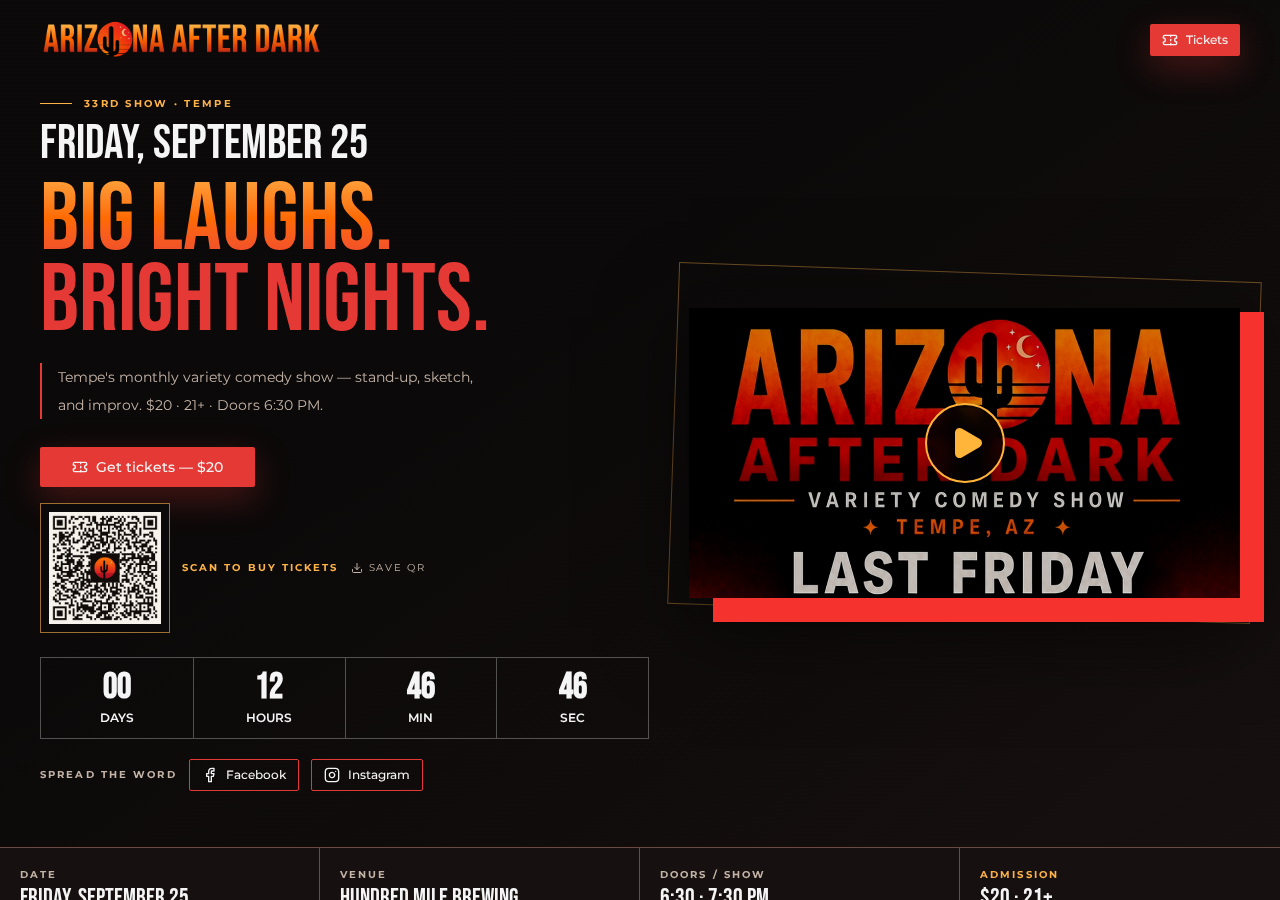
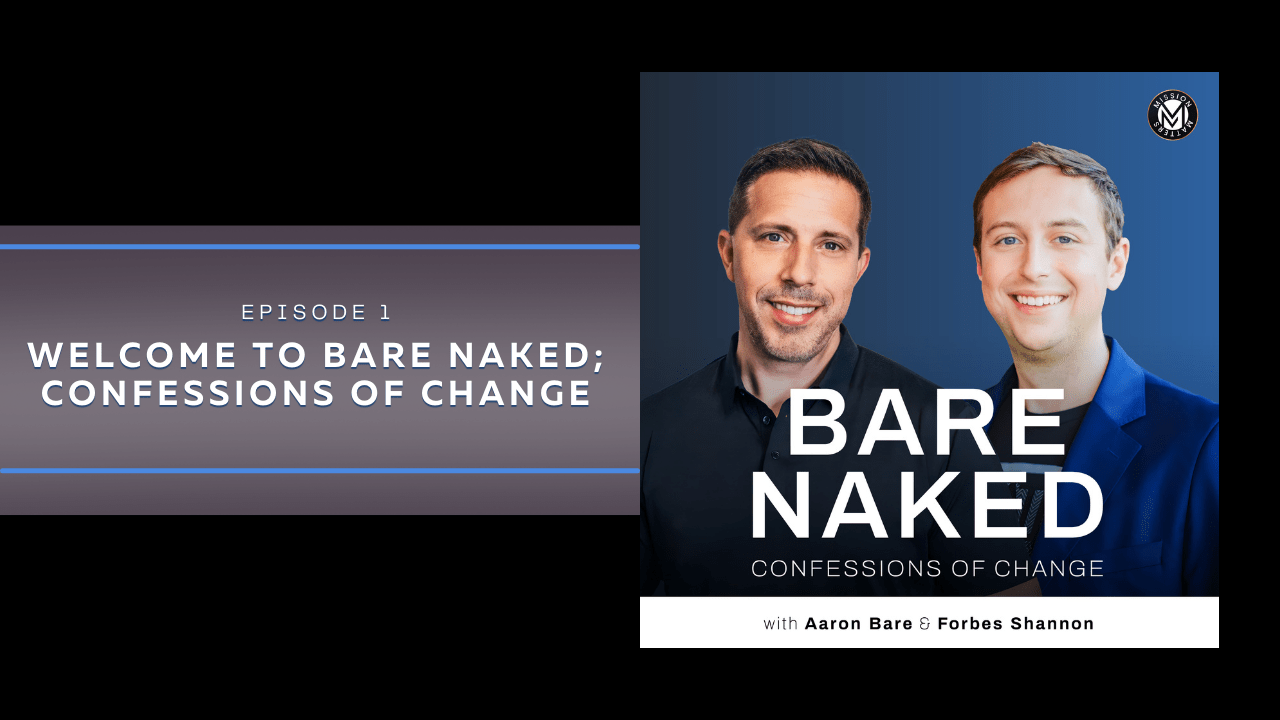
Extraordinary is led by Aaron Bare (strategy, innovation and AI implementation) and Forbes Shannon (production, narrative and storytelling). The firm runs its own engines on itself: the Extraordinary Stories podcast, the Arizona After Dark live comedy show in Tempe, and a weekly online meetup where problems get solved on camera.
These lines are written to be lifted. Attribute them as shown and you do not need to ask us first.
Website OS
“A website score is not a grade. It is a queue. The teams that argue about the number lose to the teams that ship the punch list.”
Aaron Bare · Founder, Strategy and AI
AEO and GEO
“Answer engines do not rank pages. They quote sentences. If your best sentence is not written to be quoted, you are invisible in the channel that is replacing search.”
Aaron Bare · Founder, Strategy and AI
Transparency
“We publish our own analytics, our own scan score, and our own spend, because a company that will not measure itself in public should not be trusted to measure you in private.”
Aaron Bare · Founder, Strategy and AI
Rebuilds
“Most rebrands are a new coat of paint on a house with no plumbing. We start with the plumbing: one claim a stranger can repeat, one action per page, one number someone reads every Monday.”
Forbes Shannon · Founder, Production and Narrative
Brand
“The opposite of ordinary is not famous. It is alive. Most websites fail that test before the first paragraph ends.”
Forbes Shannon · Founder, Production and Narrative
Press kit
Boilerplate, facts and who to ask.
Boilerplate
Extraordinary is an attention engineering company. We don't buy ads. We engineer attention. The team builds software, websites, and apps with everything included, and runs every system it sells on itself first, in public.
The company publishes its tools ungated: a 434-term Dictionary of Attention, Influence and Growth, a 276-entry encyclopedia, a free learning tool, a transparent record of its own marketing spend, a live public dashboard of its funnel, and a free 100-point Website OS scan that anyone can run on any URL.
Extraordinary is headquartered in Phoenix, Arizona. We are nerds who know how to make you laugh.
Facts
Founded by
Aaron Bare and Forbes Shannon
Headquarters
Phoenix, Arizona
What we do
Software, websites and apps. Everything included.
Dictionary
434 terms, 20 sections, ungated
Encyclopedia
276 entries, six fields each
Website OS scan
100 checkpoints, seven systems, free
Paid media spend
$0 (see /attention-engine)
Spokespeople
Aaron Bare
Founder — strategy, innovation and AI implementation
Can speak to: AI in the enterprise, answer engine optimization, founder strategy, incentive design
Forbes Shannon
Founder — production, narrative and storytelling
Can speak to: Podcast and video production, brand narrative, live show production
SEO, answer engines, the 100-point Website OS scan and rebuild strategy. Answer first, evidence second, no warm-up paragraph. The useful pieces stay on the record.
Marketers and data leaders can launch a single customer view around one use case, resolve identities, and track KPIs before expanding to more channels.
A practitioner-first implementation plan for progressive profiling: vendor configs, a 7-item checklist for marketing and product teams, and system tests...
Execution-first analytics audit for marketing leaders. Run DebugView, GTM, and DevTools checks this week, fix UTM and consent issues, and rerun a 3–6...
Build a B2B homepage that converts for people and AI. Clear headline, one CTA, visible proof, fast load. Includes a checklist, three patterns, and rebuild...
Tool-agnostic, diagnostic-first playbook for marketers and small teams to map contact journeys, add stop rules, and build email follow-up automation that...
Protect rankings during an SEO site migration: export every indexable URL, build a one to one redirect map, QA staging, then monitor performance for 30 to...
Map each page to a canonical entity, verify alignment with embeddings and salience, and combine schema with a repeatable editorial and developer workflow...
An implementation-first playbook for marketers to build a usable website KPI dashboard. Copy three starter wireframes, set SSOT with GA4→BigQuery, and...
Audit form timestamps, cut routing and enrichment delays, and automate intake so you move from hours of delay to under 1 hour responses that lift conversions.
Prioritized technical SEO audit checklist for SEO pros and technical owners. Start with a full site crawl and Core Web Vitals, then turn diagnostics into...
A step-by-step diagnostic playbook for content pruning that trims index bloat, consolidates authority for search and AI, and tells you when to rebuild or...
Run a capability driven martech stack audit that recovers 15–25% of spend. Learn the 90 day usage rule, scoring template, AI vetting checks, and sandbox POCs.